
Why Journalists Used To Be Sceptical About PR, and Vice Versa
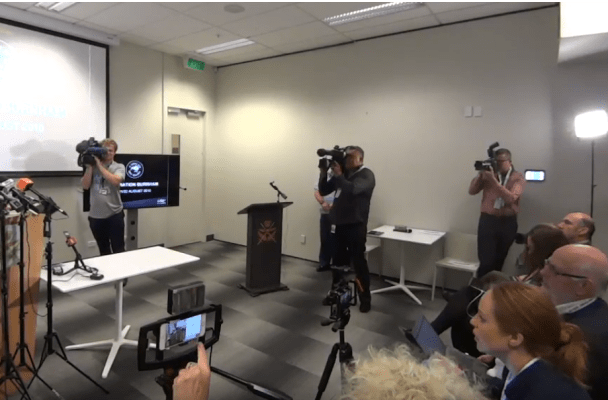
Let’s talk about why NZ newsmedia wants control of stories and why truthful communication is seen to interfere.
by Michael Botur, KiwiWords janitor, comptroller and deputy head writer
I’ve been in a handful of communications centres and media newsrooms in Auckland and Northland and I can tell you this:
- Communications PR people are often sceptical about journalists
- Journalists are often derisive about communications PR people
I’m not going to blow air on the ember, though. In fact I’ve literally just changed the heading of this piece from “Why journalists are sceptical about PR” to “Why journalists USED TO BE sceptical about PR” because I’d like readers to leave this page feeling optimistic rather than pessimistic (For anecdotes about journos saying ghastly things regarding well-known communications people, we’ll need to have a couple of beers.)
Sometimes PR and Journalism Are At Crossed Purposes. That’s Unlikely To Change
I describe journalism as ‘painting with facts.’ What that means is arranging wholly factual, unassailable, carefully-researched quotes, stats and facts to suit a narrative. The most basic narrative of any news report is the top-wide pyramid, which means
- The most new, recent and pithy ten second summation of a story goes in the first line.
- Even long form journalism begins by telling the reader what kind of narrative to expect
Journalists get sceptical about information if they see a better way to arrange the info, or if they feel the information occludes or misleads or is based on false facts.
- Communications people are tasked with promoting a brand or business and can’t be selective with which ones to promote
- Communications people aren’t always trained in research and may not have exposure to a wide range of industries like a journalist, so they may not be able to promote their cause with the best set of facts
- It is demanded by publishers that journalists regularly question or critique even the most successful businesses. It’s part of branding each news publication as objective / unbiased / non-partisan / independent.
Have you ever seen a reporter express their thanks to a PR/communications provider? No? Let’s discuss why.
PR: not a phrase used much any more.
The Public Relations Institute of NZ remains the professional body for, er, PR, obviously. However, communications is the new, fancy word for Public Relations. Don’t believe me? Type ‘communications’ into Seek.co.nz and compare the high number of results to the low number of results you get for ‘public relations.’
The phrase PR is a bit old-fashioned and unfortunately doesn’t convey that communications writers preached to the converted (internal audiences) as well as telling brand new sermons to brand new audiences (external comms.)
There are new requirements of people working in Communications in 2019 which never used to apply. Expect communications staff to take care of the following:
- Comms staff are empowered to (attempt to) publish words through a range of platforms, which gives them more power than journalists (who can only publish through one imprint/brand/platform)
- Communications staff can have exceptionally large audiences ready and waiting which certain news publications don’t. Look at Auckland Council, for instance, which in 2016 had nearly 10,000 staff serving an audience of 1.5 million. That number is bigger than the circulation of many of NZ’s leading magazines.
- Writing by communications experts can often reach reach an audience before journalists’ writing does. The following are examples of publishing platforms which every day deliver messages directly to audiences without journalistic interference: LinkedIn, Neighbourly, TradeMe, Scoop, YouTube, Twitter and StopPress.
How Come Advertisers Have More Money Than Newsmakers? Does It Mean They Have More Influence?
That’s a huge question best asked over some huge drinks with journalists of huge experience. Long story short, though…
- Audiences have proven they won’t, on the whole, pay as much money for news because they can get it for free on a range of websites, especially Facebook
- High quality publications like National Business Review or North & South or NZ Geographic carefully maintain a particular price point and a paywall so they can serve a very particular audience – however they can’t afford as many staff to produce their content as they used to have
- Every newsmedia publication has dedicated space for sale to businesses with budget to pay for what are discretely called ‘advertising features.’ Advertising features are high quality advertorials, with good quality accurate words driving sales.
One thing is for sure: communications experts and journalists both like to control the narrative around any story on any of the following websites (the Alexa ranking of each is given numerically)
#5 – TradeMe
NZ’s other top 50 Alexa-ranked websites include Twitch.tv, amazon.com, Newzealandgirls.co.nz, ANZ, Metservice.com, IMDB, Ladbible, Imgur, TVNZ, universities and the IRD.
 KiwiWords - Communications, content and copywriting
One Response to “Why Journalists Used To Be Sceptical About PR, and Vice Versa”
[…] […]
LikeLike